About 1 in 12 men and 1 in 200 women are colour blind.
Colour Blind Awareness says that means, statistically, one player in every male squad. Some kit pairings that look obviously different to most people can merge for them. The fixes are simple and do not mean changing a club's colours.
AI-generated image, not a photograph of a real person or place.
One dark, one light
Contrast the socks
Try it in greyscale
Kit everyone can tell apart
THE SHORT ANSWER
Pick kits by light and dark.
Colour alone is not enough. Contrast in brightness is what most people can rely on.
HOME AND AWAY
One dark, one light
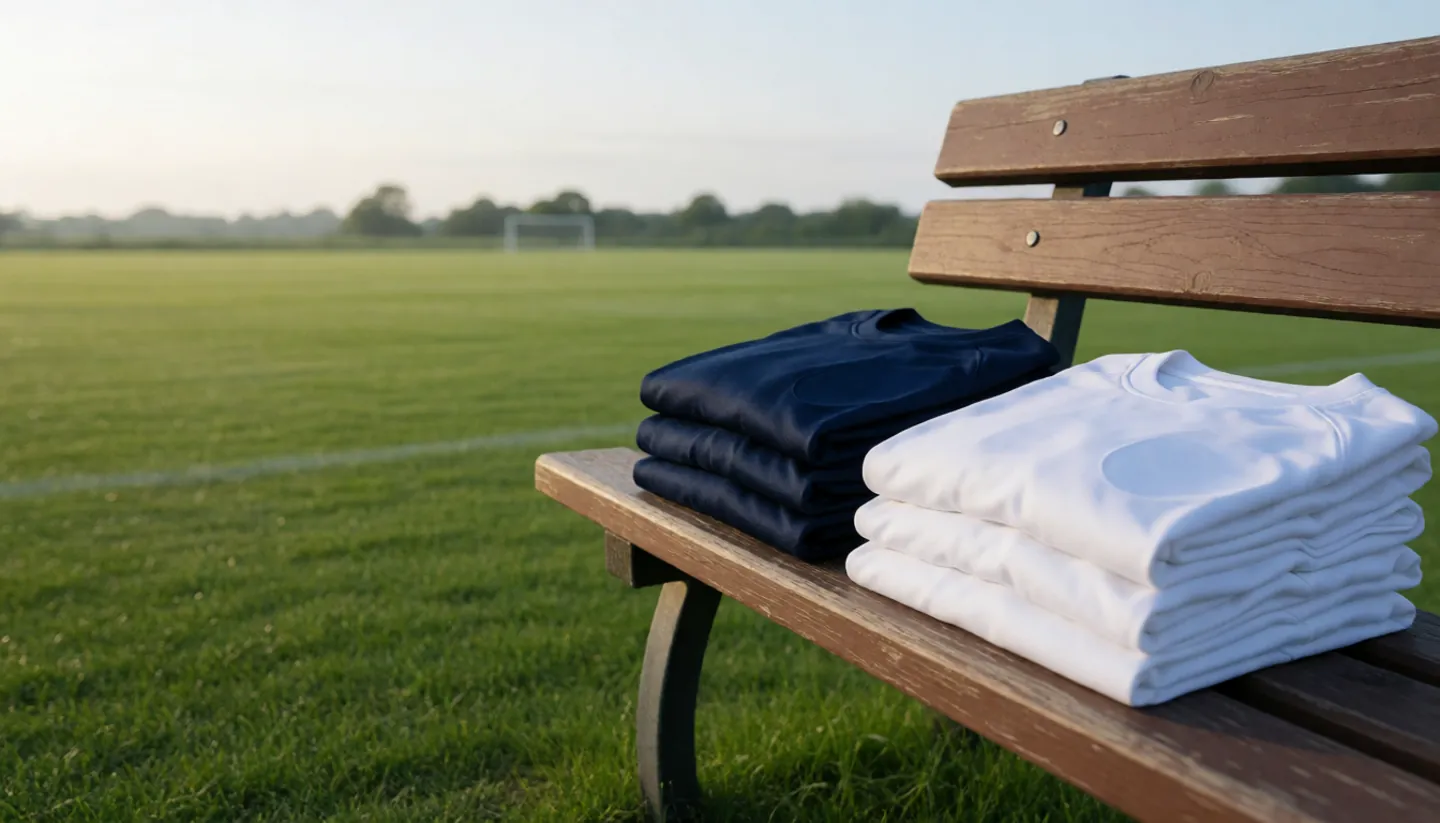
Colour Blind Awareness advises that ideally one team plays in a dark kit and the other in a light kit, so choose one of each when picking new home and away strips.
Pick a pairing to see what Colour Blind Awareness says about it. The bar shows how likely it is to cause problems for colour blind players and fans.
Based on Colour Blind Awareness guidance for football kit. General information, not medical advice.
TWO NUMBERS WORTH KNOWING
More common than you think.
One figure for men, one for the UK as a whole.
1 in 12
Men with colour vision deficiency
About 8 percent of men, compared with about 1 in 200 women. The FA quotes the same figures in its colour blindness guidance.
MEN · COLOUR BLIND AWARENESS
≈ 3 million
Colour blind people in the UK
About 4.5 percent of the whole population, most of them male. The charity estimates about 300 million people worldwide.
UK · COLOUR BLIND AWARENESS
For most colour blind people the condition is inherited. The NHS says colour vision testing is not part of the routine NHS eye test, but you can ask an optician for it.
FOUR CHECKS WHEN CHOOSING KIT
Small choices, fewer clashes.
Colour Blind Awareness says addressing colour blindness does not necessarily mean changing a team's colours, just thinking about how they are used.
Try the greyscale test
Look at both kits through a phone or tablet camera set to greyscale or mono. If they look similar, they are likely to be a colour blind kit clash.
Choose one dark, one light
When picking new home and away kits, make one dark and one light.
Contrast shirts and shorts
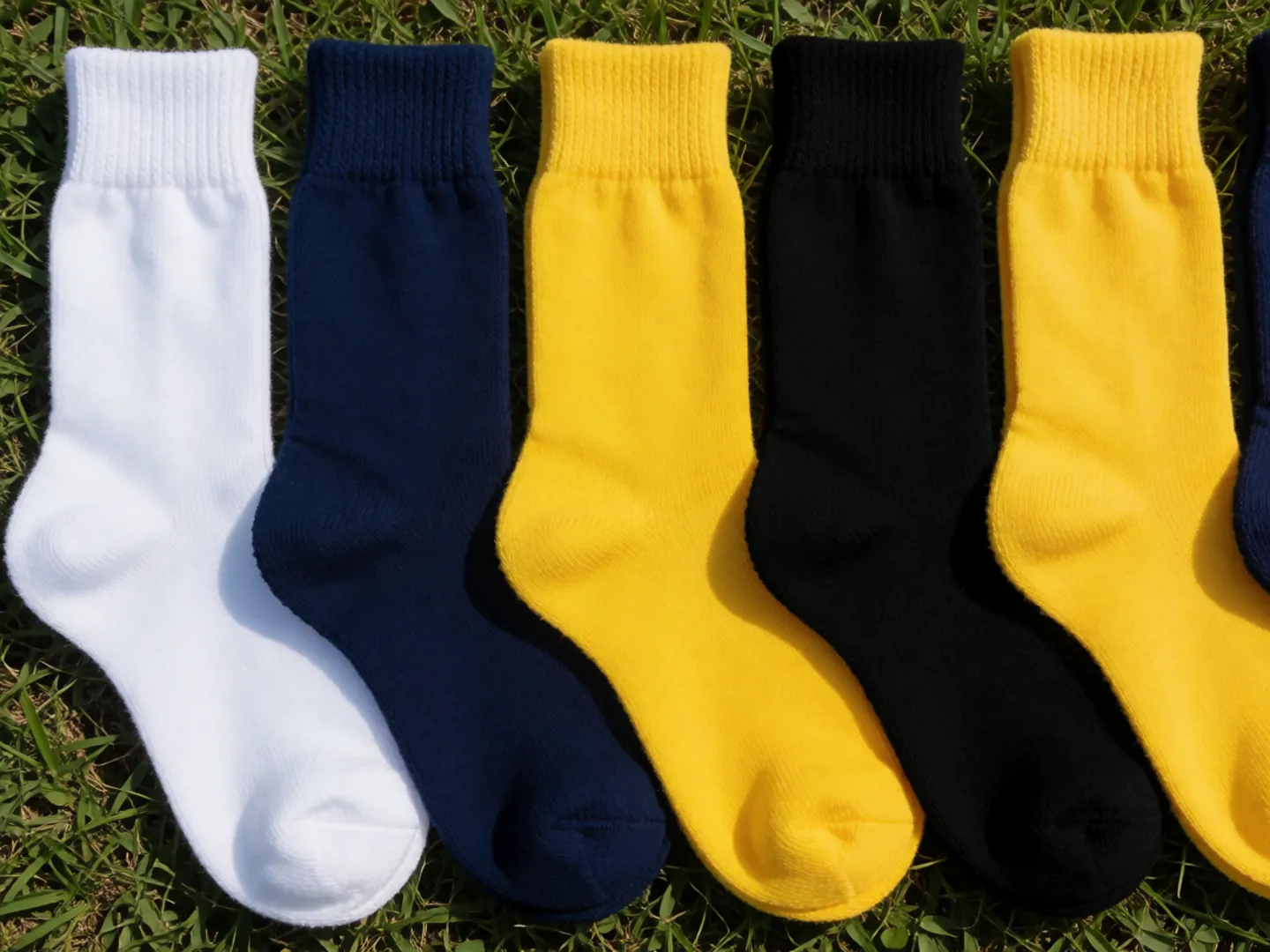
Keep a good contrast between shirts and shorts, ideally with socks matching one of them. Avoid red, orange and green socks.
Check keepers and officials
Goalkeeper and match official kits should not clash with outfield players or with the pitch.
AI-generated image, not a photograph of a real person or place.AI-generated image, not a photograph of a real person or place.
BEYOND THE SHIRT
It is not only about kit.
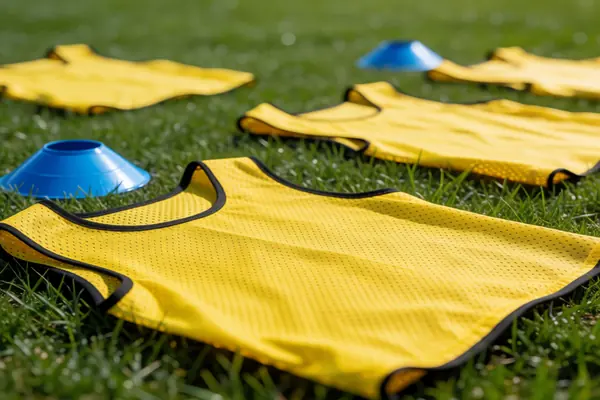
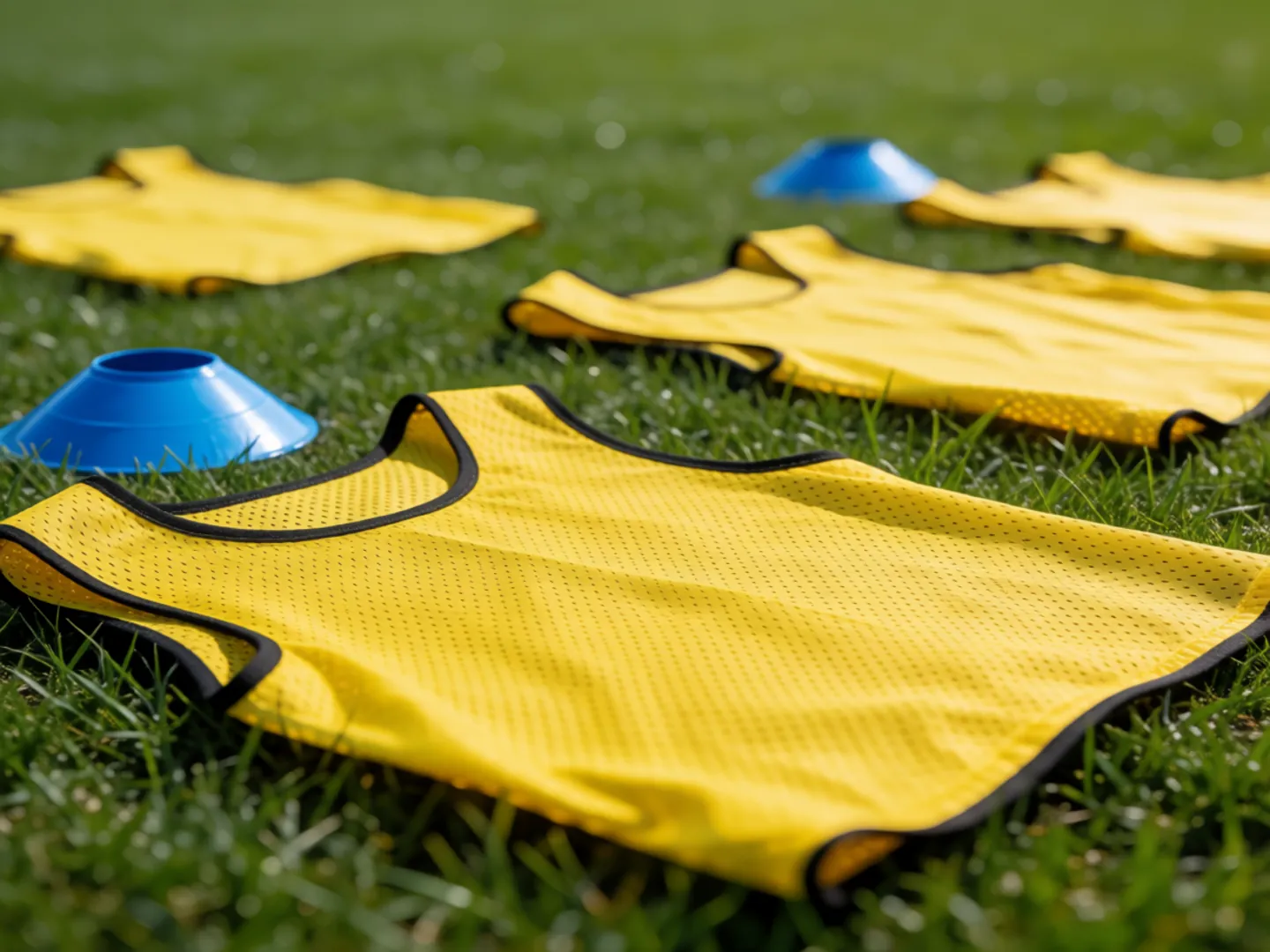
The FA's guidance, produced with Colour Blind Awareness and supported by UEFA, lists problems with equipment such as balls, bibs, cones and line markings, as well as venue signage, lighting, tickets and programmes.
TV coverage matters too. The charity's factsheet notes kits can be harder to tell apart under floodlights, when moving from shade into sunlight, and on television, especially in wide shots and on small screens.
Questions
Questions people ask
How common is colour blindness?
Colour Blind Awareness says it affects about 1 in 12 men and 1 in 200 women, or about 3 million people in the UK. Statistically that is one player in every male squad.
Is red-green colour blindness just mixing up red and green?
No. The charity says people with red/green colour blindness can confuse any colours that contain some red or green, such as blue and purple, and problems can extend across the whole spectrum.
Which kit colours clash most?
Colour Blind Awareness lists red v black, red v green v orange, bright green or orange v yellow, white v pastel colours such as pale blue, and blue v purple as the combinations that cause the greatest problems.
How can I check if two kits clash?
Look at them through a phone or tablet camera in greyscale or mono mode. If they look similar in greyscale, the charity says they are likely to clash for colour blind people.
How do I find out if I am colour blind?
The NHS says colour vision testing is not part of the routine NHS eye test, but you can ask your optician for it. Common tests include the Ishihara dot test and colour arrangement tests.